US chip curbs reportedly slowing Chinese AI labs
The Information reports that US chip-access limits and anti-distillation measures are delaying projects at Chinese AI labs. Deepseek expects its gap to US models could widen to nine months.
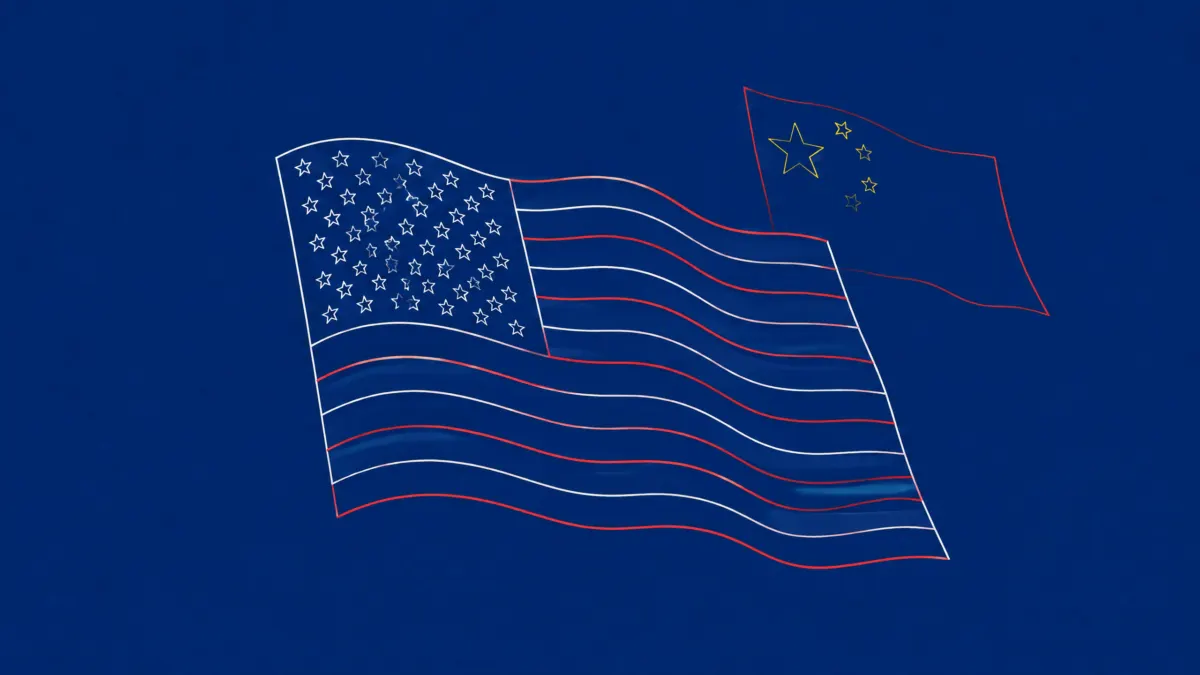
US chip-access curbs and anti-distillation measures are already slowing Chinese AI labs, according to a report from The Information. The affected developers include Deepseek, Moonshot AI and Alibaba.
The pressure began in September. Two measures are involved. One restricts Chinese firms' remote access to advanced Nvidia chips in foreign data centers. The other is anti-distillation work by OpenAI and Anthropic, which the report describes as successful.
Many ongoing projects face delays as a result. Last month, Deepseek researchers internally estimated their gap to top US models could grow from three to six months to nine months if distillation disappears completely. Moonshot AI has canceled a $150 million deal for Nvidia Blackwell chips in Indonesia.
Chinese firms are looking for workarounds. Some are trying to rent computing power through non-Chinese third parties. MiniMax, Mihoyo and Alibaba are relying more on domestic chips. The companies are also investing more in training data for their own reinforcement learning.
The numbers come from internal estimates reported secondhand, so we'd treat them as a signal, not a measurement. Anyone building on Chinese models should watch release cadence over the next few quarters. The workaround routes, such as third-party compute rental, carry their own policy risk.
- 01Pressure on Deepseek, Moonshot AI and Alibaba since September
- 02Deepseek estimates its gap could grow from 3-6 months to 9 months
- 03Moonshot AI canceled a $150 million Nvidia Blackwell deal in Indonesia
- 04Firms turning to third-party compute, domestic chips and more training data
Businesses that rely on Chinese open models should expect that release pace and quality could shift. Teams planning around any single model supplier should keep alternatives ready.
+Talk about your use caseRead the original
↗The DecoderSummary written by Neuvilabs from public reporting. Facts belong to the original sources linked above.
 IndustryMarket Watch
OpenAI countersues Apple over trade secrets and pressure on shared suppliers
OpenAI sued Apple in California, alleging trade secret theft, unfair practices and coercion of shared suppliers. It follows Apple's summer suit over leaks to OpenAI and a $6.4 billion hardware push.
 IndustryMarket Watch
Nvidia's board reverses Jensen Huang's resignation, returning him as CEO
Nvidia's board reversed Jensen Huang's resignation, and a SiliconANGLE column says markets mostly shrugged. Meanwhile CrowdStrike's $43.9 billion Zscaler deal dominated a week of mixed AI earnings.
 IndustryAnalysis
Sakana AI's CEO says homegrown models are about industry, not just security
Sakana AI will start training its own foundation model, Sawara, this month, with a small version due in early 2027. CEO David Ha says the aim is Japanese industry and manufacturing, with security needs as the nearer-term driver.