FCC approves SpaceX plan for up to 1 million AI data center satellites
The FCC has approved SpaceX's Starmind plan for up to 1 million AI chip satellites, the first full AI constellation it has cleared. SpaceX must launch one satellite by 2033 and hit the full count by 2040, while the agency held back on its satellite disposal request.
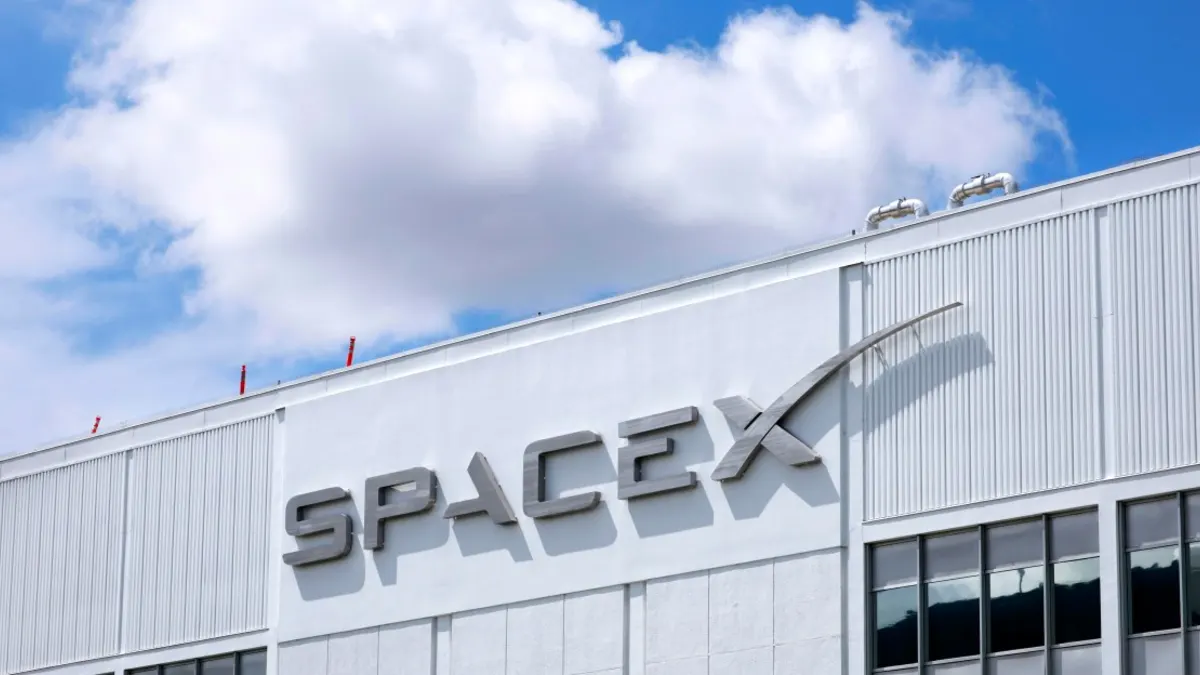
A first for AI constellations
The FCC announced on Wednesday that it has authorized SpaceX to deploy up to 1 million satellites carrying AI chips. The project is called "Starmind." It's the first time the agency has approved a full constellation of AI satellites, and that detail matters more than the headline number.
Deadlines stretch to 2040
Start with the schedule. SpaceX has to put at least one satellite in orbit by 2033 and reach the 1 million mark by 2040. That's a long runway. A first-launch deadline seven years out tells you the regulator sees this as a build-out over a decade and more, not a product launch next quarter.
What Starmind promises
SpaceX's pitch is simple on paper. Starmind would capture solar energy in space to power AI capabilities on Earth. Data would come down through high-speed lasers that connect to Starlink, so the existing network does the heavy lifting on delivery. The company also plans to produce the chips for these satellites at an upcoming Terafab facility, which ties the orbital plan to a manufacturing plan that hasn't been built yet.
The disposal question
The approval wasn't a blank check. The FCC deferred one request: SpaceX wanted to send satellites located above 600km into "graveyard" orbits at end of life, instead of letting them burn up in the atmosphere. The agency said the company hasn't provided "sufficient information" about how that disposal would work. Put that next to a fleet of up to 1 million units and you can see why the question stays open.
Why debris is the sticking point
That deferral is the part of the decision worth watching. Debris and end-of-life handling are the obvious pressure points for any constellation, and this one would be far larger than anything the source text describes. The FCC didn't reject the idea. It asked for more detail before it signs off on that specific piece.
Google and Blue Origin are in the race
SpaceX isn't alone in looking up. Google has already taken its first steps, launching a "Project Suncatcher" AI server satellite last month. Blue Origin, run by Jeff Bezos, will carry out the first dedicated heavy-lift launch for Project Suncatcher in 2029. So at least three large players are now circling the same idea: put compute where the sun is always available and send results down.
A contest over infrastructure
That changes how the market reads the move. The competition isn't only about who has the best model or the most GPUs in a Texas warehouse. It's also about who controls launch capacity, power supply and the link back to Earth. SpaceX owns Starlink and its own launches, a combination few rivals can match, while Google is relying on Blue Origin for a heavy-lift ride.
Two ways to read it
There's a fair case on each side. Supporters can argue that space-based solar power sidesteps ground-level limits on energy and land. Skeptics will point to the unanswered questions: the source doesn't give costs, power output or performance figures, and the first satellite isn't due for years. An approval is permission to try. It isn't proof the economics work.
What it means for now
For now, the practical takeaway is modest. Nothing here changes how businesses buy AI compute this year. But the regulatory door for orbital data centers is open, and the 2033 and 2040 deadlines give everyone a timeline to measure against.
We wouldn't change any AI infrastructure plans over this. The first satellite isn't due until 2033, and the source gives no cost or performance numbers. Infrastructure and strategy teams should keep an eye on the disposal ruling, since that's where regulators are pushing back. The risk is simple: an approval isn't a working product.
- 01FCC authorized up to 1 million AI chip satellites for SpaceX's Starmind initiative
- 02At least one satellite by 2033, full 1 million by 2040
- 03Request to dispose of satellites above 600km in graveyard orbits was deferred
- 04Google launched a Project Suncatcher AI server satellite last month; Blue Origin's heavy-lift launch follows in 2029
Where AI compute lives, and who controls the power and launch capacity behind it, could shape long-term supply and pricing for cloud AI. Businesses don't need to act now, but they should know the infrastructure race is expanding beyond data centers on the ground.
+Talk about your use caseRead the original
↗The VergeSummary written by Neuvilabs from public reporting. Facts belong to the original sources linked above.
 PolicySecond Look
UK Parliament demands unredacted METR safety report from Anthropic by Dec 4
A UK parliamentary committee chair wants the unredacted version of METR's report on AI R&D acceleration at Anthropic. METR says the redactions removed much of its most informative evidence, so its 1.3 to 3x risk finding is hard to check.
 PolicyAnalysis
Bloomberg: banned Nvidia Blackwell chips found in Shanghai data center
Bloomberg reports that banned Nvidia Blackwell hardware turned up at a Shanghai data center, based on loan documents filed with Chinese regulators. The site is linked to Alice Huang, founder of Megaspeed, which the US blacklisted this month.
 PolicySecond Look
Nvidia pauses server shipments to Southeast Asia as US tightens chip curbs
Nvidia has reportedly told Dell, Super Micro and other partners to pause server shipments to Malaysia, Singapore, Thailand and Indonesia while it checks export compliance. The reasons are plausible, but the report offers no evidence of violations and no end date.